Three AIs, One Shippable LINE Booking System: The Duck's Collaboration Log
Instead of asking 'which AI is strongest,' divide the labor: use Claude to write the dev plan, use Antigravity CLI (a Gemini agent) to actually build the code, then use Claude Opus to hunt bugs and iterate. This is the Duck's real log of using this 'AI division of labor' to build a working LINE course-booking PWA — it's about the mindset, not a step-by-step tutorial.
 卡住很正常——點段落旁的 😵 卡關 讓我們知道,或直接往下滾到問答區發問。
也可以用 👍 看懂 / 😢 看不懂 告訴我們哪裡寫得好、哪裡要改。
卡住很正常——點段落旁的 😵 卡關 讓我們知道,或直接往下滾到問答區發問。
也可以用 👍 看懂 / 😢 看不懂 告訴我們哪裡寫得好、哪裡要改。
In one line: This isn’t a step-by-step tutorial — it’s a mindset. The Duck used a three-way split — Claude writes the plan → Antigravity CLI (a Gemini agent) does the building → Claude Opus hunts bugs — to build a genuinely usable LINE course-booking PWA. The point isn’t which AI is strongest, but letting different AIs each do their job.
Keywords: AI division of labor, AI agent, Antigravity CLI, Gemini, Claude, dev plan, code review, vibe coding, LINE booking system
A common trap: hunting for “the single strongest AI”
Many people coding with AI fixate on one question: “Is Claude stronger or Gemini? Which should I use?”
The Duck eventually realized — that’s the wrong question. Just as you wouldn’t ask “is a hammer or a screwdriver stronger,” you’d ask “which tool for this screw.” Building a project involves several different kinds of work, and different AIs suit each.
So the Duck ran an experiment: don’t pick sides — let three AIs divide the labor to build something real that people would actually use — a LINE course-booking system (a booking PWA for a dance and yoga studio).
The split: plan, build, review — three roles
The Duck’s flow here breaks into three roles (with the Duck’s own sticky-note reminder alongside):
- Use Claude to generate the dev plan — don’t rush to code. First let an AI good at “thinking clearly” write a plan: what to build, how many phases, and what to verify at each.
- Use Antigravity CLI (a Gemini agent) to actually run it — take that plan and let a hands-on terminal AI agent really create files, write code, and run commands.
- Use Claude Opus to review the code and find bugs — once it’s built, switch to a “sharp-eyed, nitpicky” AI to catch bugs and security holes, then feed the findings back to improve the plan.
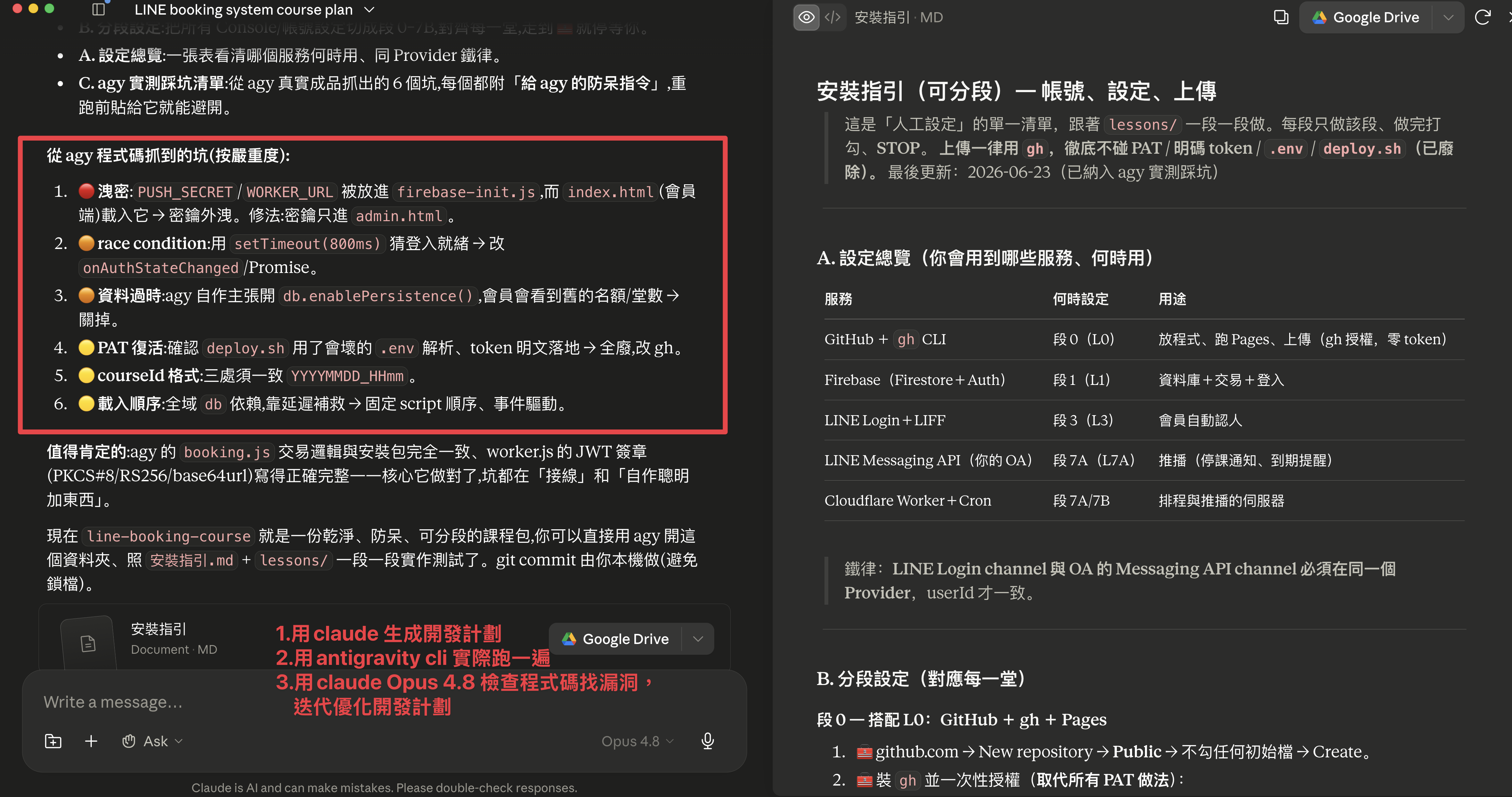
The shot above is step 3 — Claude Opus scans the code Antigravity produced and lists “pitfalls sorted by severity”: where a secret was put in the wrong place, where there’s a race condition, where data goes stale… exactly what “one AI writing its own code and declaring ‘done’” tends to miss.
The builder: what is Antigravity CLI?
Antigravity CLI (the agy command) is an AI agent that runs in the terminal, switchable between Gemini, Claude, and other models behind it. Give it a sentence and it reads your project, drafts a plan, creates files, and runs commands — the hands-on type.
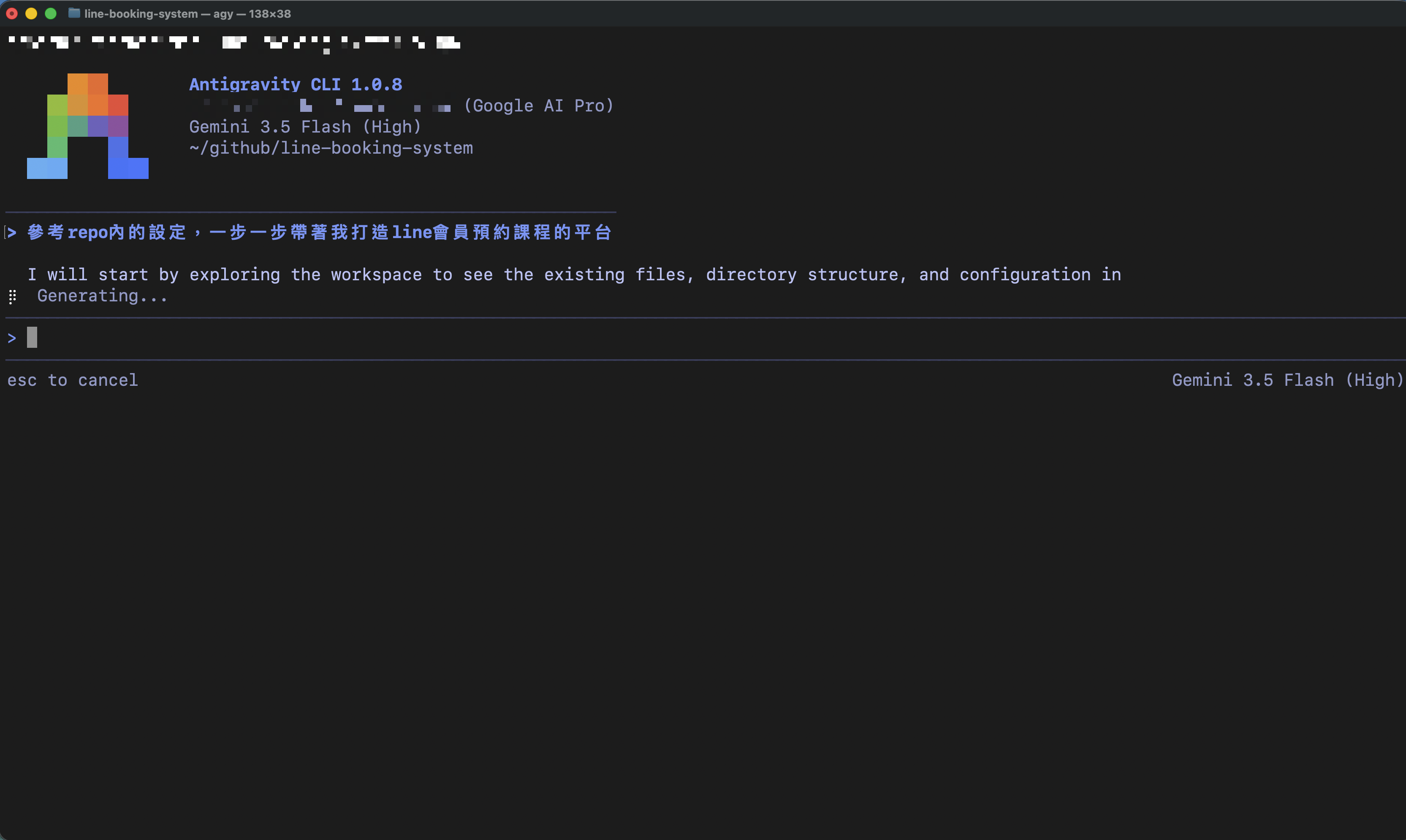
The Duck’s first sentence to it was simple:
Referring to the settings in the repo, walk me step by step through building a LINE membership course-booking platform.
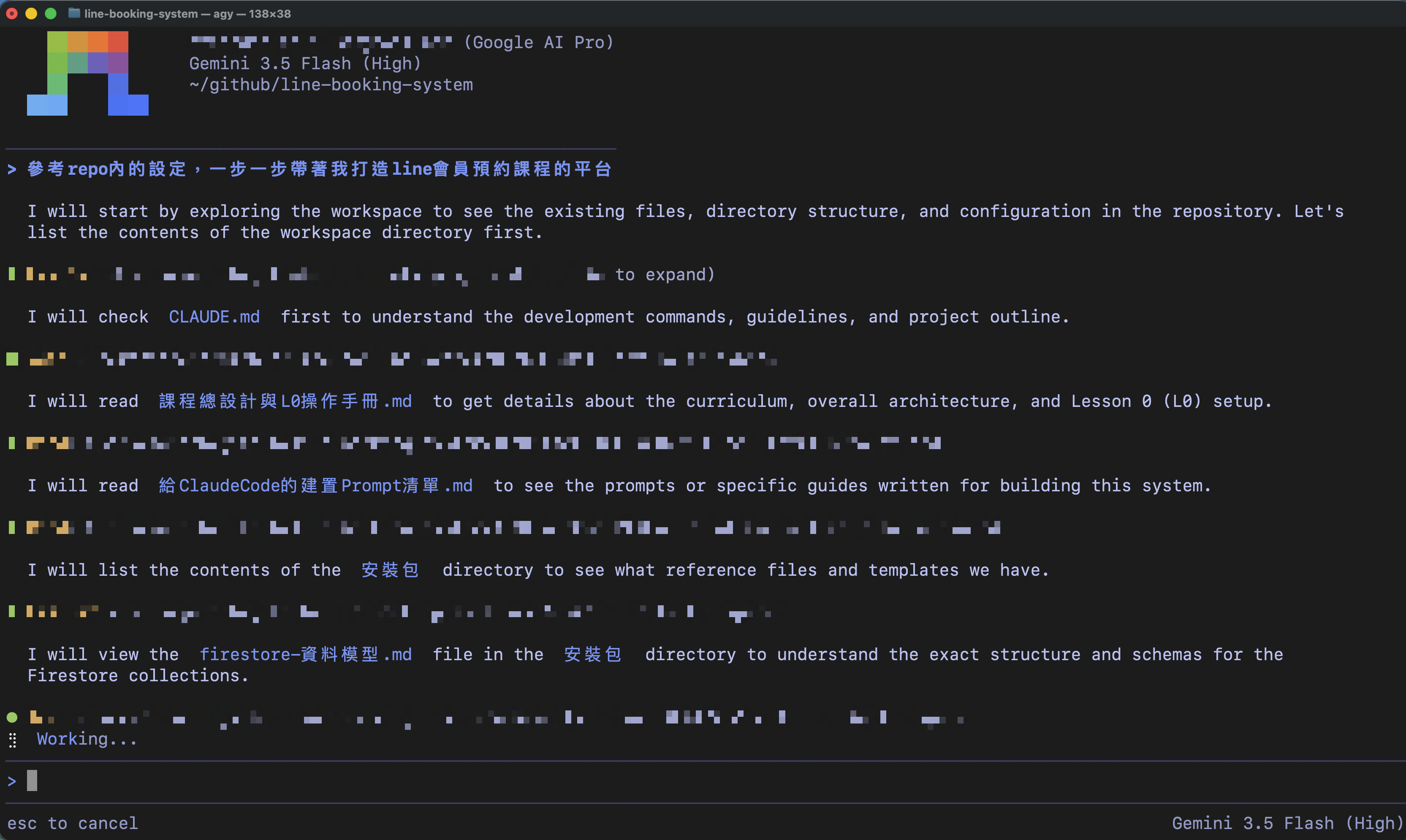
Rather than blindly writing, it first explores the workspace — reading the project’s design docs, Firestore data model, and security rules to understand the whole before acting.
So which model should you pick? “It depends on the task”
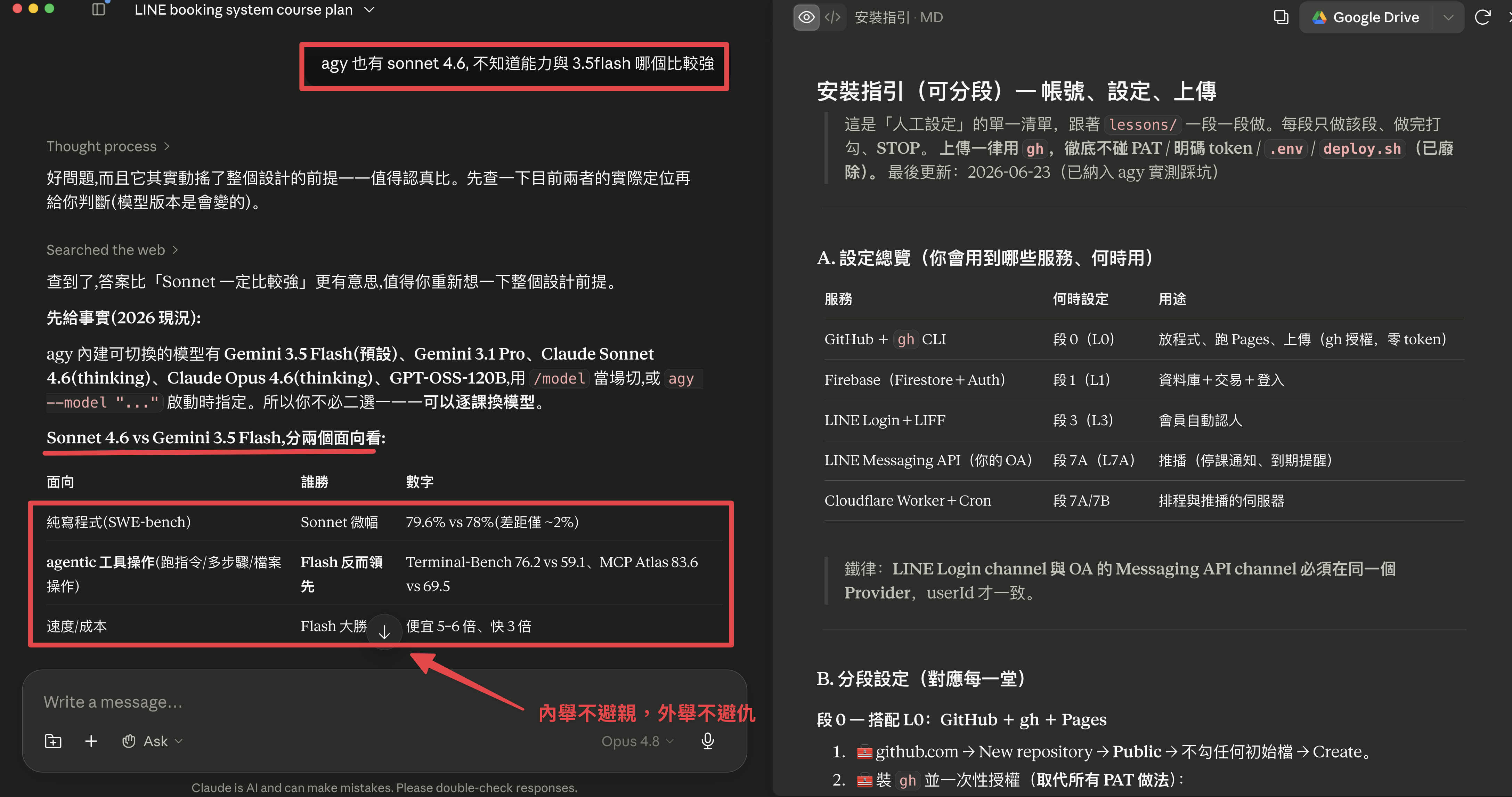
Along the way the Duck agonized too: Antigravity can switch to Gemini 3.5 Flash or Claude Sonnet — who’s better at classification or coding?
So the Duck just asked the AI itself to lay out an objective comparison (pure coding, agentic tool use, speed and cost). The conclusion was pragmatic: pick by task — for fast, cheap bulk chores, use a fast, cheap one like Flash; for precise, complex reasoning, use a strong one like Sonnet/Opus.
The result: a real PWA that opens and works offline
After the three-way split, the result is a LINE course-booking system PWA — deployed on GitHub Pages with Firebase as the backend.
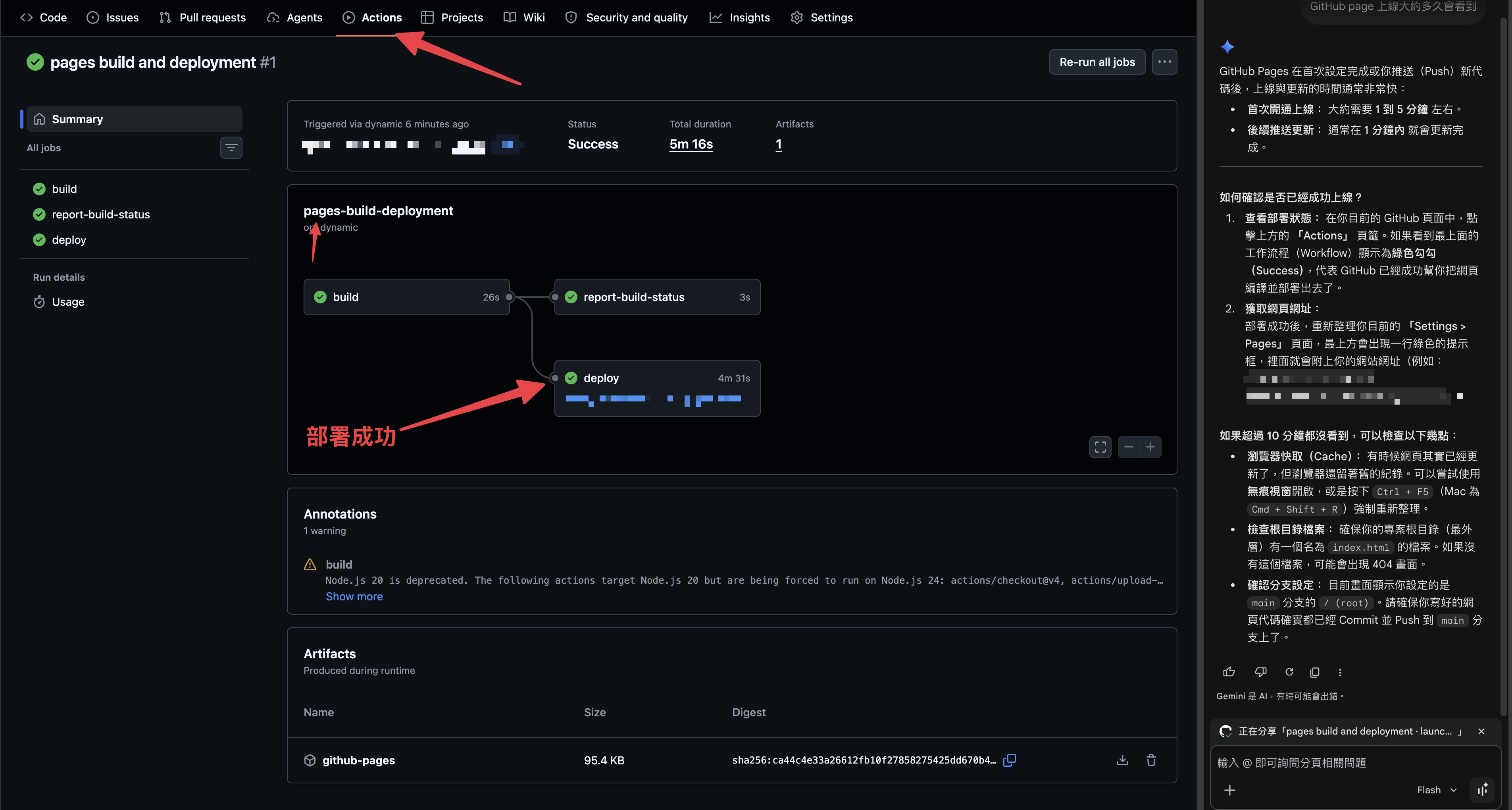
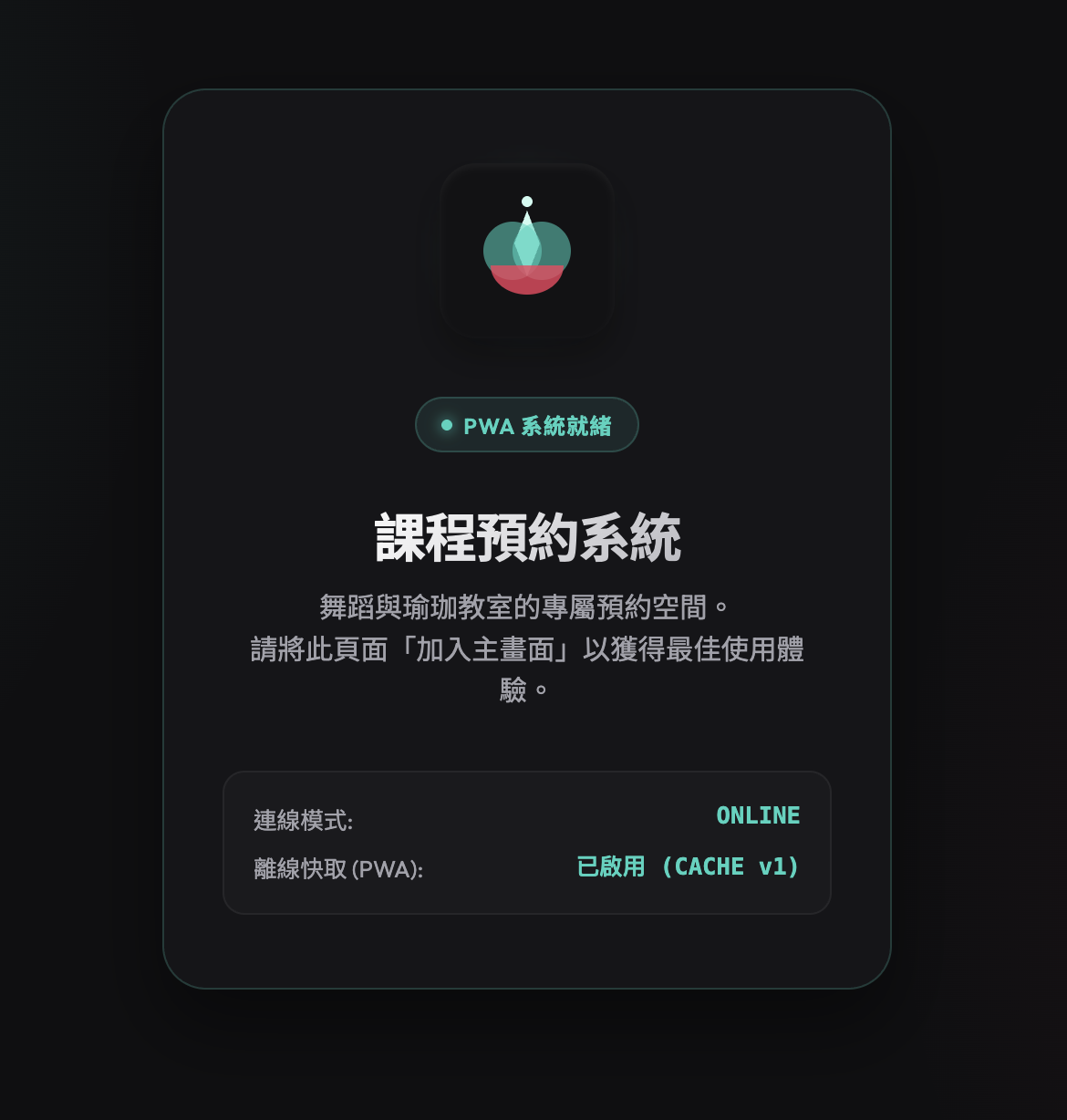
Open it and you get a booking page you can “add to home screen” as an app, with PWA offline caching done. Not a toy demo — it went through the whole set: deployment, login, database rules, LINE login.
Want the step-by-step “how to” for each piece? LaunchDock has them broken out: sign up for GitHub, create a Firebase project, enable Google login, deploy Firestore security rules, create a LINE Login channel and LIFF — this article is about the mindset of “how to stitch them together with AI.”
How is this different from “vibe coding”?
You may have heard of vibe coding — telling AI to keep writing and tweaking on feel. It’s fast, but often “works well enough” while hiding a pile of pitfalls underneath.
The Duck’s division of labor essentially adds two guardrails to vibe coding:
- A “plan” up front: think clearly before acting, not scribble as you go.
- A “review” at the back: after building, switch AIs to hunt bugs — not “it runs, so it’s a success.”
These two barely slow you down, but the result goes from “a working demo” to “something you’d dare hand to people.”
The Duck’s three-line summary
- Don’t ask “which AI is strongest,” ask “which AI for this piece of work” — plan, build, and review are three different jobs.
- Always use different AIs to build vs. review — grading your own exam hides blind spots.
- Match the model to the task — fast and cheap for chores, strong for hard problems; you don’t always eat the priciest feed.
這篇文章對你有幫助嗎?
💬 問答區
卡關了?直接在這裡問,其他讀者和作者都能幫忙解答。
載入中...
Found this useful? Share it with a friend who’s also getting their hands dirty
Share on LINE